- Tel: +86 13451474678 / 13451474678
- Email: / hbzinanmech@gmail.com

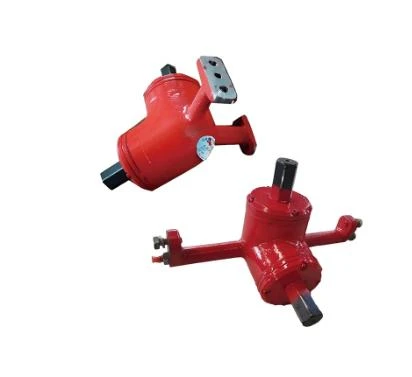
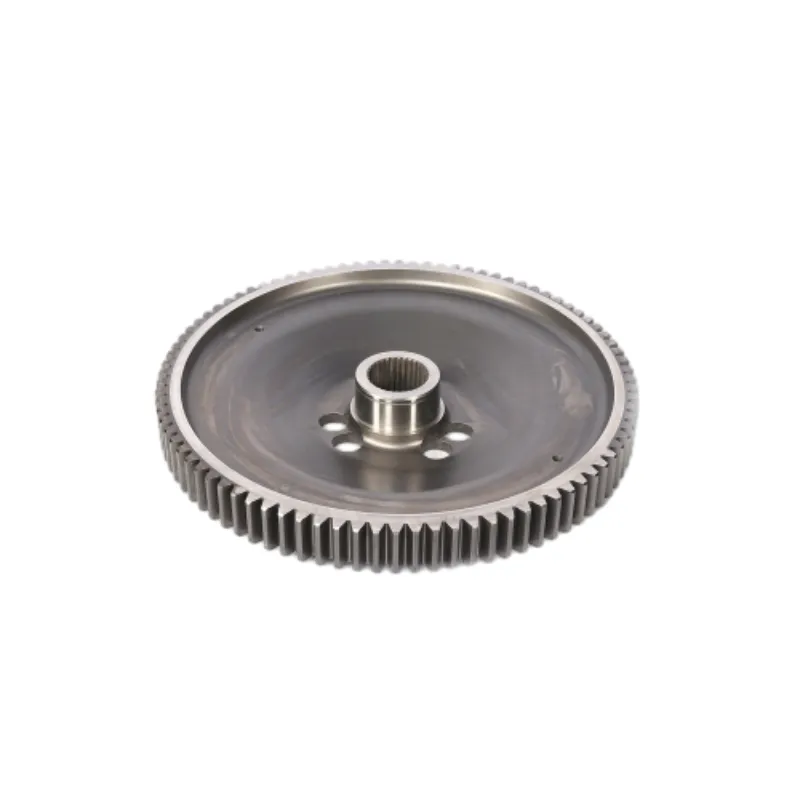

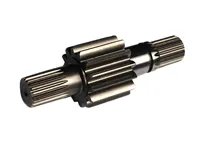
5 speed dog box transmission
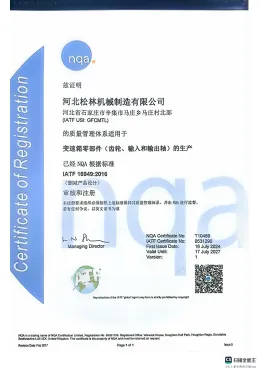
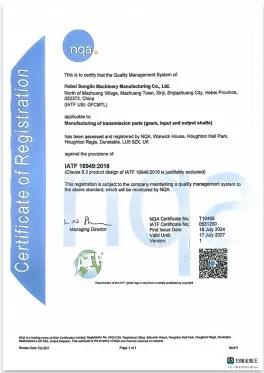
In the demanding world of commercial transportation, the box truck transmission is the unsung hero, silently translating engine power into the motion that delivers goods and drives economies. Yet, when this critical component overheats, it can bring operations to a grinding, expensive halt. Overheating isn't just an inconvenience; it's a primary cause of premature transmission box failure, leading to costly downtime, repairs, and potential safety hazards. Understanding the intricate dance within the gear box transmission system and implementing robust prevention strategies is paramount for fleet managers and owner-operators alike. At Zinanmech, deeply rooted in the fertile soil of global agriculture and industrial progress, we understand the critical role reliable machinery plays. Adhering to our philosophy of "Science and technology to promote agriculture, Zinan is at your side," we are committed to bridging global technological advancements. We introduce world-leading agricultural and industrial machinery to China while showcasing high-quality Chinese innovations internationally, all underpinned by rigorous quality assurance. Every product undergoes strict inspection to meet international standards. If a failure occurs due to quality issues within the warranty period, we provide prompt repairs or part replacements, ensuring your equipment operates flawlessly and supports your mission in global agricultural and logistical modernization. Understanding the Critical Role of the Transmission Box in Box Trucks The transmission box , often simply called the transmission, is the mechanical heart responsible for managing power delivery from the engine to the drive wheels in a box truck. Think of it as an intricate, constantly shifting gear orchestra. Its primary function within the broader gear box transmission system is to provide multiple gear ratios. This allows the engine to operate efficiently across a wide range of vehicle speeds and loads. When accelerating from a stop, the transmission box uses a low gear ratio to multiply engine torque, providing the necessary force to get a heavy load moving. As speed increases, it seamlessly shifts into higher gears, reducing engine RPM for better fuel economy and reduced wear. In a box truck transmission , this role is even more critical due to the typical operating profile: frequent stops and starts in urban delivery routes, carrying substantial payloads, and often navigating varying terrain. The constant shifting and torque conversion generate significant heat within the gear box transmission components, particularly the gears, clutches (in automatics), bearings, and transmission fluid. This heat is normal, but when it exceeds the system's ability to dissipate it – often due to the factors discussed next – overheating occurs, threatening the very integrity of the transmission box . A robustly designed box truck transmission is engineered to handle these stresses, but even the best design can succumb without proper care and understanding of the thermal dynamics at play. Common Culprits: Causes of Overheating in Gear Box Transmission Systems Overheating in a box truck transmission is rarely a single-point failure; it's usually the result of one or more underlying issues stressing the gear box transmission beyond its thermal limits. Understanding these causes is the first step towards effective prevention: Low or Degraded Transmission Fluid: Fluid is the lifeblood of the transmission box . It lubricates gears and bearings, transmits hydraulic pressure for shifting (in automatics), and crucially, absorbs and transfers heat away from critical components. Low fluid levels drastically reduce cooling capacity and lubrication, leading to rapid temperature spikes and increased friction. Degraded fluid, oxidized and contaminated with clutch material or metal particles over time, loses its viscosity and heat-transfer properties, becoming much less effective at cooling. This is the most common cause of gear box transmission overheating. Overloading and Towing Beyond Capacity: Exceeding the Gross Vehicle Weight Rating (GVWR) or towing beyond the rated capacity places immense strain on the entire drivetrain. The box truck transmission has to work significantly harder to move the excess weight, generating substantially more internal friction and heat. This constant, excessive load pushes the transmission box into operating conditions it wasn't designed for, overwhelming the cooling system. Faulty or Inadequate Cooling System: Most modern box truck transmission systems rely on a dedicated cooler, often integrated with the engine radiator or as a standalone unit. A clogged transmission cooler (internally with debris or externally with dirt/road grime), a malfunctioning cooler fan, leaks in the cooler lines, or a failing transmission thermostat (if equipped) can severely restrict the fluid's ability to shed heat. A cooler undersized for the truck's specific duty cycle is also a common issue. Slipping Clutches or Bands (Automatic Transmissions): In automatic gear box transmission systems, worn clutches or bands fail to engage fully. This creates excessive slippage, generating intense friction and heat within the fluid – akin to riding the clutch in a manual vehicle. This heat further degrades the fluid, accelerating wear and creating a vicious cycle that quickly leads to overheating and catastrophic failure if not addressed. Driving Habits and Conditions: Aggressive driving – rapid acceleration, hard braking, and frequent high-RPM operation – generates significantly more heat than smooth, anticipatory driving. Similarly, operating for extended periods in stop-and-go traffic or crawling in low gear on steep inclines prevents adequate airflow through the cooler and keeps the transmission box under constant high-load, low-speed stress, limiting its ability to cool down. High ambient temperatures exacerbate all these issues. Restricted Exhaust Systems or Engine Overheating: A severely restricted exhaust (e.g., clogged catalytic converter) increases backpressure, forcing the engine to work harder and generating more underhood heat. Similarly, an overheating engine radiates intense heat directly onto the transmission box and its fluid lines, significantly raising the operating temperature baseline of the gear box transmission . Mechanical Problems: Worn bearings, damaged gears, misalignments, or internal leaks within the transmission box itself increase friction and reduce overall mechanical efficiency. This inefficiency manifests as wasted energy, which is converted directly into heat, further stressing the system and its cooling capacity. Proactive Solutions: Preventive Measures for Box Truck Transmission Overheating Preventing box truck transmission overheating hinges on a proactive maintenance regimen and operational awareness. Implementing these strategies significantly extends transmission box life and minimizes costly downtime: Rigorous Fluid Maintenance: Regular Checks: Check the transmission fluid level (with the engine running and warmed up, per manufacturer specs) at least monthly or before any long haul. Look for the correct level on the dipstick and inspect the fluid's condition. Fluid Condition: Healthy fluid is typically bright red and has a slightly sweet smell. Brown, dark, or black fluid, a burnt odor, or visible particles signal degradation and the need for service. Scheduled Service: Adhere strictly to the manufacturer's recommended service intervals for fluid and filter changes. For severe duty cycles (like frequent stop-and-go, heavy loads, hot climates), consider changing fluid more frequently (e.g., every 30,000 miles instead of 60,000). Always use the fluid type specified by the manufacturer. Load Management: Never exceed the box truck's GVWR or towing capacity. Distribute cargo evenly to avoid placing undue strain on the drivetrain. Understand the operational limits of your specific box truck transmission . Cooling System Integrity: Cooler Inspection & Cleaning: Regularly inspect the transmission cooler and lines for leaks, damage, or external blockage (dirt, bugs, debris). Clean the external surface of the cooler carefully. Have the cooler flushed professionally if internal blockage is suspected. Cooler Upgrades: For trucks operating consistently in severe conditions (high loads, high ambient temps, mountainous terrain), consider upgrading to a larger capacity or auxiliary transmission cooler. This is one of the most effective preventative investments. Ensure Radiator Health: Since many transmission coolers share the engine radiator, ensure the radiator is clean and functioning optimally. Address any engine overheating issues immediately, as they directly impact the gear box transmission temperature. Adopt Smooth Driving Habits: Practice anticipatory driving to minimize harsh acceleration and braking. Allow the transmission box to shift smoothly. When climbing long grades, downshift manually (if equipped with that capability) to keep engine RPM up and prevent constant torque converter slippage in automatics, which generates heat. Avoid prolonged idling when possible, especially in hot weather. Monitor Temperatures: Install an aftermarket transmission fluid temperature gauge. This provides real-time insight into the gear box transmission 's operating temperature, allowing drivers to take immediate action (e.g., slowing down, shifting manually, stopping to cool down) if temperatures rise abnormally. Know the normal operating range for your specific box truck transmission . Address Problems Promptly: Never ignore signs of transmission trouble like slipping, delayed engagement, harsh shifts, unusual noises, or warning lights. These often indicate issues that, if left unresolved, will lead to overheating and major damage. Have any concerns diagnosed by a qualified technician immediately. Invest in Robust Design: When replacing or specifying components, choose a transmission box designed for durability and efficient heat management, like the advanced solutions offered by Zinanmech. Our commitment to quality ensures every product meets stringent international standards, providing peace of mind and operational reliability. Zinanmech Transmission Solution: Engineered for Cool, Efficient Performance Preventing overheating starts with a robust foundation. Zinanmech's advanced gear box transmission solutions incorporate design features specifically aimed at enhancing durability and thermal management, making them ideal for demanding box truck applications: Feature Parameter Description Benefit for Overheating Prevention High-Rigidity Housing Constructed from premium, durable materials using advanced casting/forging techniques to ensure exceptional structural integrity under heavy loads. Minimizes flex and distortion under load, reducing internal friction points and heat generation. Provides stable mounting for coolers. Compact & Efficient Design Optimized internal layout and component placement minimize the overall footprint while maximizing power density and fluid flow efficiency. Allows for easier integration of larger/more efficient coolers. Optimized internal fluid paths enhance flow and heat dissipation. Reduces parasitic drag. Straight-Cylindrical Gear Engagement Utilizes precisely machined straight-tooth cylindrical gears for power transfer. Provides smooth, stable meshing with reduced friction losses compared to some other gear types. Less sliding contact generates less heat. High-Rigidity Housing: This isn't just about brute strength. A rigid housing maintains precise alignment of internal components like gears and shafts under extreme loads and temperature variations. Misalignment caused by housing flex creates uneven loading and increased friction, a significant source of heat. Our housing ensures stable component interaction, minimizing this parasitic heat generation. Furthermore, a robust housing provides a secure and vibration-free platform for mounting transmission coolers and lines, ensuring their optimal function. Compact and Efficient Design: Efficiency is directly linked to heat generation. Our compact design isn't just about saving space; it's about optimizing internal fluid dynamics. Efficient fluid pathways ensure transmission fluid circulates rapidly and effectively, carrying heat away from critical components like gears, bearings, and clutch packs to the cooler. Reduced internal drag from optimized component placement also means less energy is wasted as heat within the transmission box itself. Straight-Cylindrical Gear Engagement: While helical gears are common for noise reduction, straight-cut cylindrical gears, when precision-engineered, offer distinct advantages in high-load, efficiency-critical applications like heavy-duty box truck transmission systems. They generate primarily radial loads (easier for bearings to handle) and have significantly less sliding friction at the meshing point compared to helical gears. This reduced sliding friction directly translates to lower operating temperatures within the gear box transmission . The inherent stability and strength of this design also contribute to consistent performance under load, preventing localized hot spots. By combining these core design principles with rigorous manufacturing quality control, Zinanmech gear box transmission units are built to withstand the thermal challenges inherent in box truck operations, offering enhanced longevity and reliability. FAQs: Ensuring Longevity of Your Transmission Box and Gear Box Transmission How does a high-rigidity housing benefit my transmission box? A high-rigidity housing is fundamental to preventing transmission box overheating and failure. Under heavy loads typical in box trucks, a flexible housing can distort. This distortion misaligns critical internal components like gears, shafts, and bearings. Misalignment creates uneven contact pressure, drastically increasing friction at specific points. This friction generates intense localized heat, accelerating wear on components and degrading the transmission fluid much faster. The heat also stresses seals, potentially leading to leaks and further fluid loss/cooling issues. A rigid housing, like those used in Zinanmech transmissions, maintains precise alignment even under maximum load. This ensures smooth, even contact between gears and proper bearing function, minimizing friction-induced heat generation throughout the gear box transmission . Think of it as a solid foundation preventing internal chaos and the heat it creates. Why is compact design important in a gear box transmission? Compactness in a gear box transmission directly contributes to thermal efficiency and cooling effectiveness. An efficiently packaged transmission minimizes internal fluid pathways, allowing the transmission fluid to circulate more rapidly and directly between heat-generating components (gears, clutches) and the cooler. Shorter, optimized flow paths mean less distance for heat to be carried, allowing the fluid to absorb and dissipate heat more efficiently. Furthermore, a compact design often means less internal "dead space" where fluid can stagnate and overheat. It also reduces the overall mass the cooling system needs to manage. Crucially, the space savings allow for easier installation of larger capacity or auxiliary transmission coolers within the often crowded engine bay of a box truck. A larger cooler provides significantly more surface area for heat dissipation, a critical factor in preventing box truck transmission overheating during demanding operations. How does straight-cylindrical gear engagement improve box truck transmission? Straight-cylindrical gear engagement offers significant thermal advantages in heavy-duty box truck transmission applications. Unlike helical gears, which generate both radial and axial thrust loads (requiring complex thrust bearings and creating more sliding friction), straight-cut gears primarily produce radial loads. This simpler loading reduces parasitic losses within the bearing system. More importantly, the meshing action of straight-cut gears involves significantly less sliding friction compared to helical gears. Helical gears have teeth that engage gradually with a sliding contact, which inherently generates more heat. Straight-cut gears engage more directly with a rolling action, minimizing this sliding friction. Less sliding friction translates directly to lower operational temperatures within the gear box transmission . While sometimes slightly noisier at certain speeds, the thermal efficiency and strength benefits of well-engineered straight-cylindrical gears make them an excellent choice for managing heat in high-torque, high-load transmission box environments. What sets your transmission box apart in preventing overheating? Our transmission box solutions stand out in overheating prevention through a holistic engineering approach focused on thermal management. It's the synergistic combination of our key features: The High-Rigidity Housing ensures stable, low-friction internal operation by preventing misalignment under load. The Compact and Efficient Design optimizes internal fluid flow for rapid heat transfer and enables the use of larger cooling systems. The Straight-Cylindrical Gear Engagement directly reduces heat generation at the fundamental power transfer point through minimized sliding friction. Beyond these, we employ advanced computational fluid dynamics (CFD) to model oil flow and heat dissipation paths during design. We also select high-grade, thermally stable materials for critical components and subject every unit to rigorous testing under simulated severe conditions to validate thermal performance. This integrated focus on minimizing heat generation and maximizing heat dissipation, backed by Zinanmech's stringent quality assurance protocols, delivers a box truck transmission built for cool, reliable operation. How does your gear box transmission ensure durability in harsh conditions? Zinanmech gear box transmission units are engineered from the ground up for resilience in the toughest environments box trucks face. Our High-Rigidity Housing, crafted from premium alloys using advanced manufacturing, provides a fortress-like structure resistant to distortion from heavy loads, impacts, or vibration, protecting delicate internals. The Straight-Cylindrical Gear Engagement uses high-strength steel gears, precision-cut and hardened, offering exceptional resistance to pitting, wear, and shock loads, common in stop-start urban driving or rough terrain. Seals are selected for high-temperature resilience and resistance to contaminants like dust and moisture. Internally, optimized fluid flow (aided by the Compact and Efficient Design) ensures consistent lubrication and cooling even under extreme angles or during high-demand maneuvers. Every component and assembly undergoes strict quality control, aligning with international standards, ensuring the transmission box isn't just durable on paper, but proven reliable under the real-world stresses of heat, load, and environment that define harsh operating conditions. Box truck transmission overheating is a serious threat to operational efficiency and profitability, but it's largely preventable. By understanding the vital role of the transmission box , recognizing the common causes of overheating within the gear box transmission system, and diligently implementing proactive maintenance and driving strategies, fleet managers and drivers can significantly extend transmission life and avoid costly breakdowns. Choosing robustly engineered components designed with thermal management in mind, such as those incorporating high-rigidity housings, efficient layouts, and low-friction gear technology, provides a critical foundation for reliability. At Zinanmech, we stand by our commitment to "Science and technology to promote agriculture [and industry]," offering advanced gear box transmission solutions backed by uncompromising quality assurance. Remember, investing in prevention and quality today ensures your box trucks keep delivering tomorrow, mile after cool, reliable mile. Protect your most critical asset – keep that transmission cool.
-
0YEARS IN THE FIELD
-
0 KEXPERIENCED STAFFS
-
-
-
0 kACCOMPLISHED PROJECT
-
0SATISFIED CLIENTS
-
01The Application of Agricultural Machinery Gears In The IndustryAgricultural machinery gears are widely used in the agricultural machinery industry. In tractors, gears are applied to the transmission system. They can transmit the power from the engine to the wheels and achieve different speeds and torques through different gear combinations, so as to adapt to various working conditions such as plowing and transportation.
-
02Application of ComponentsIn agricultural machinery, the gearbox is mainly used to change the transmission ratio. Taking a tractor as an example, when the tractor needs to drive slowly in the field to cultivate the land and other operations, the gearbox can transmit the power of the engine through a lower transmission ratio, thereby outputting a larger torque to ensure that the agricultural machine has enough power to drive the agricultural implement for deep farming and other operations.
-
03Application of Agricultural MachineryField operations: Tractors are one of the most important power machines in agricultural production. In cultivated land operations, it can use powerful power to drive ploughshares to till the land by mounting ploughs to turn, break and level the soil, creating good soil conditions for sowing. For cultivator operations, it can mount cultivators to perform operations such as weeding, loosening and soil cultivation during crop growth to promote the growth of crop roots and nutrient absorption.
International layout
Spread all over the world
Our agricultural machinery products have won wide recognition and trust in the global market, and our sales network covers many countries and regions.

-
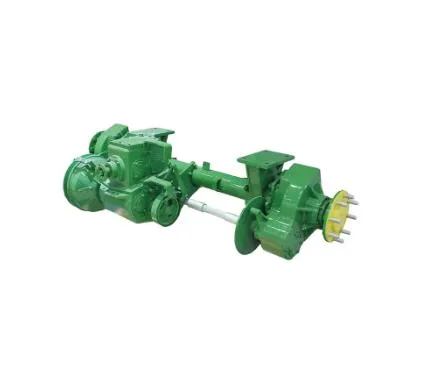
2026-04-05 02:54Air Suction No-Till Seeder - Zinan Technology Co., Ltd._Precision Farming,Sustainable AgricultureIntroduction The Air Suction No-Till Seeder represents a significant advancement in agricultural tec>
-
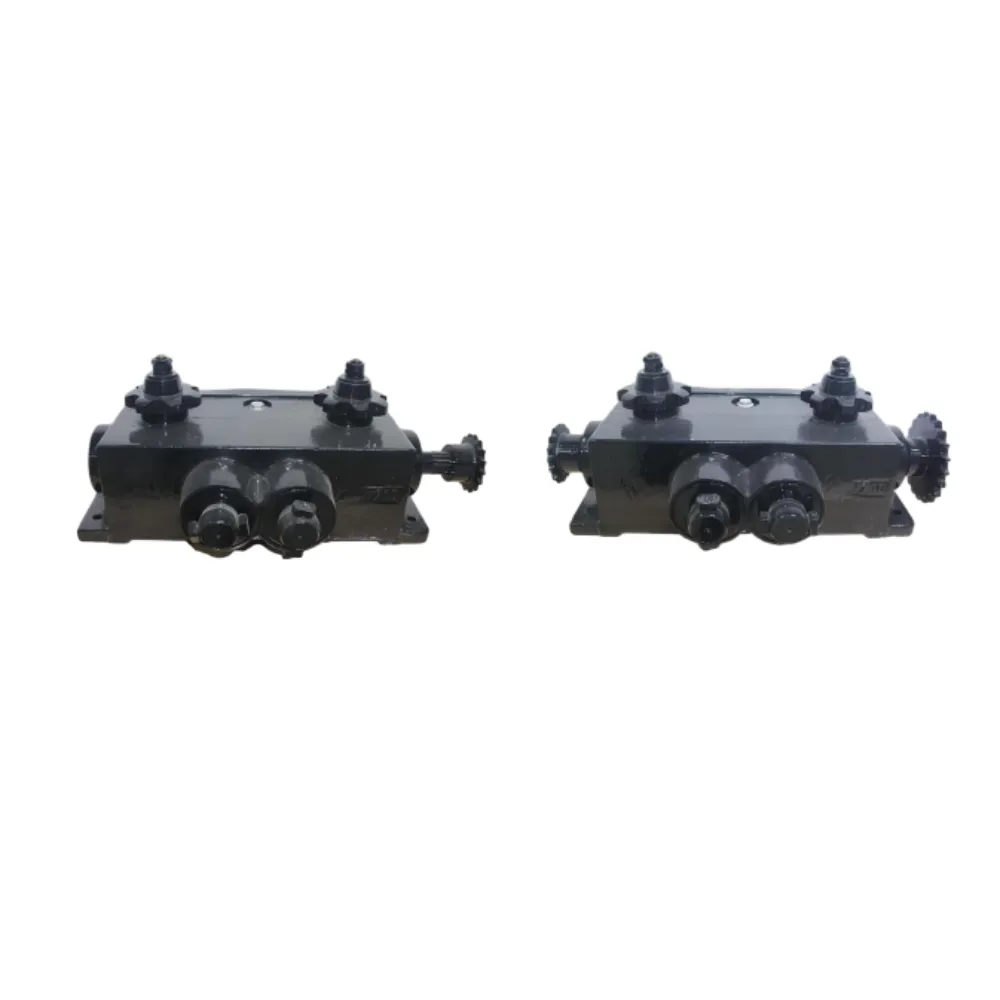
2026-04-05 02:52High-Efficiency Ox Operated Seed Drill w_ GPT-4-TurboIn modern agriculture, efficient planting and soil management are essential for maximizing yield and>
-
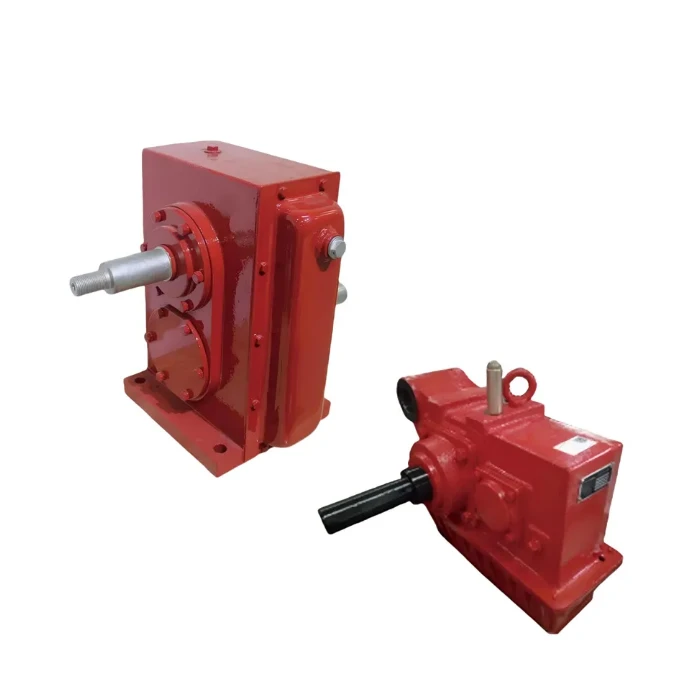
2026-04-05 02:00Premium AI Tractors for Sale with GPT-4 Turbo InnovationAre you seeking tractors for sale or comparing compact tractors for sale and lawn tractors for sale>
Sign up
for Newsletter
Subscribe to the weekly newsletter for all the latest updates